November 23, 2026
What to do when you are locked out of your home
By @thesecureproperty
Stay calm and check the obvious first
Being locked out of your own home can spike your pulse in seconds. The first instinct is to force something - a window, a door, a lock. That instinct often does more damage than the lockout itself. Before you reach for a tool or call a service, run through a short checklist. Many lockouts resolve without any repair work at all.
Check every door and window you can reach
Walk around the outside of your house. Check every door. A back door or a side door might be unlocked. A basement door that you rarely use could be open. Windows are worth a look too, especially on the ground floor. A bathroom window or a kitchen window that is cracked open for ventilation can be your way back inside. Do not climb through a window that is too small or too high; a fall from a window sill can cause a serious injury.
Look for a spare key you forgot about
Many people hide a spare key somewhere on the property. Think about the spots you have used in the past - under a doormat, inside a fake rock, in a garden shed, with a neighbour. If you have not checked those places in a while, now is the time. A key that you stashed away months ago might still be there. Even if the key does not work on the front door, it may work on a back door or a garage entry.
Check if a family member or roommate has a key
Call or text a family member, a roommate, or a neighbour who might have a spare. A quick phone call can save you a lot of trouble. If someone is on their way home, you might only need to wait a few minutes. While you wait, move to a safe place near the door so you can see them arrive.
Inspect the lock itself before you touch it
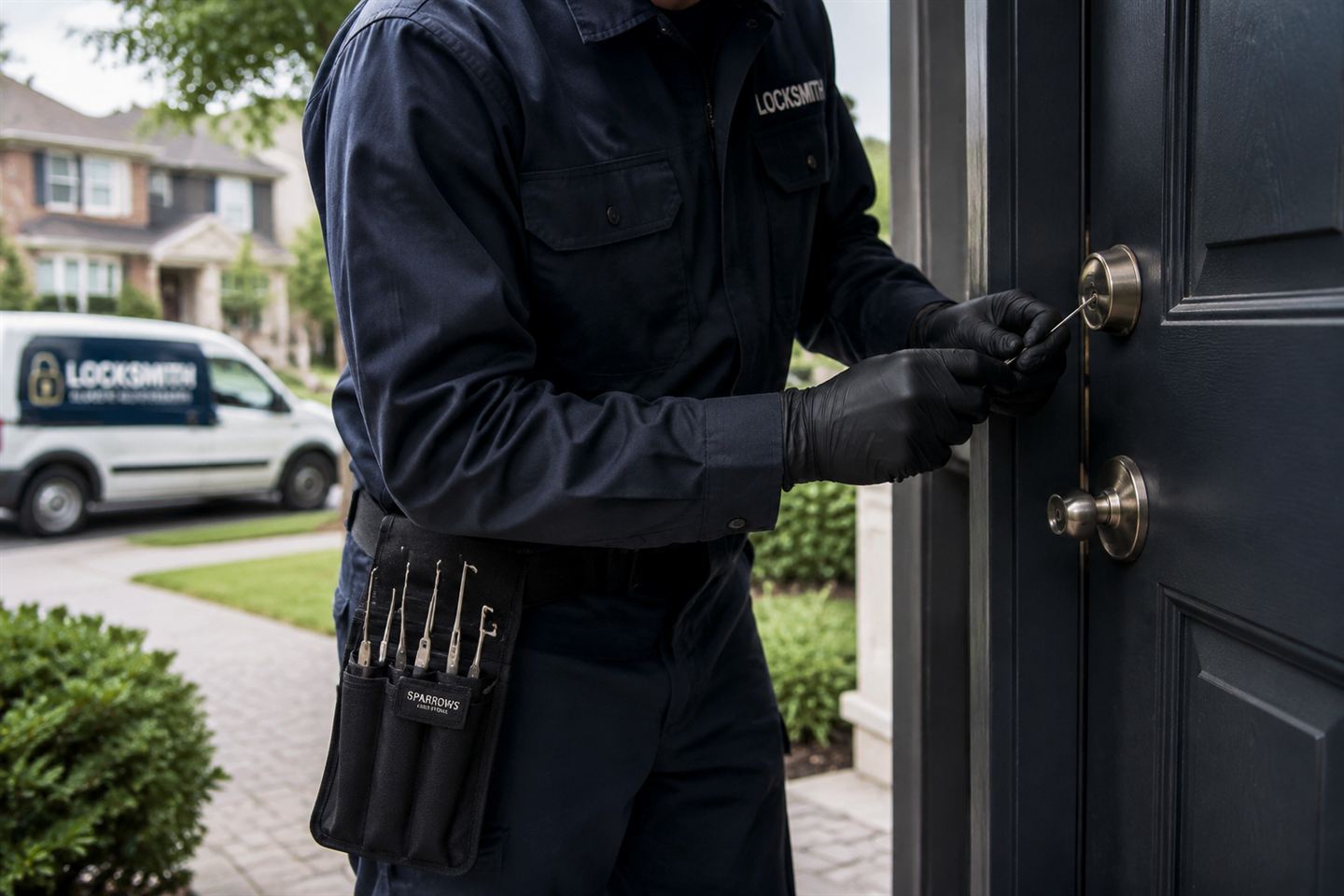
Sometimes a lock is not broken - it is just stuck. Look at the lock cylinder and the deadbolt. Is the deadbolt fully retracted? Does the latch sit flush against the strike plate on the door frame? A small piece of debris or a little corrosion can stop a lock from turning. If you see something blocking the mechanism, do not jam a screwdriver into it. A gentle tap with the palm of your hand on the door near the lock can sometimes free a sticky latch. If the lock turns but the door does not open, the problem may be the door frame shifting slightly with the weather.
Consider the possibility of a broken key inside the lock
If you were using the key and it snapped off inside the lock, you will see the broken piece sticking out of the keyway. Do not try to pull it out with pliers unless you are very careful. A broken key can sometimes be removed with a pair of fine-tipped tweezers or a small piece of wire, but this is tricky. If you cannot get it out, you need a professional to extract it. Trying to force the broken piece deeper can damage the lock cylinder and make the repair more expensive.
Assess the condition of the door frame and the strike plate
A door that is hard to close or that sticks can cause a lockout. Look at the door frame around the strike plate. If the wood is swollen from moisture or if the strike plate is loose, the latch may not engage properly. In that case, even if you have the key, the door might not open. Do not try to pry the door open with a screwdriver or a crowbar; that can split the frame and damage the lock irreparably.
Know what proof of residence you have handy
If you decide to call a professional, you may be asked to show that you live at the address. Locksmiths, especially those who respond to lockouts, want to avoid helping someone break into a house that is not theirs. Have your ID ready, and if your ID does not show the address, keep a piece of mail or a utility bill nearby. This is not always required, but it can speed things up.
Understand what non destructive entry means
When you call a locksmith, ask about non destructive entry. A good locksmith can open most residential locks without drilling or breaking them. They use tools that manipulate the lock cylinder and the latch so that the lock can be reused afterwards. Non destructive entry costs less than a full lock replacement and saves you the hassle of rekeying. If a locksmith tells you they need to drill the lock without checking if a simple pick or a bypass tool will work, consider getting a second opinion.
The service call and what to expect
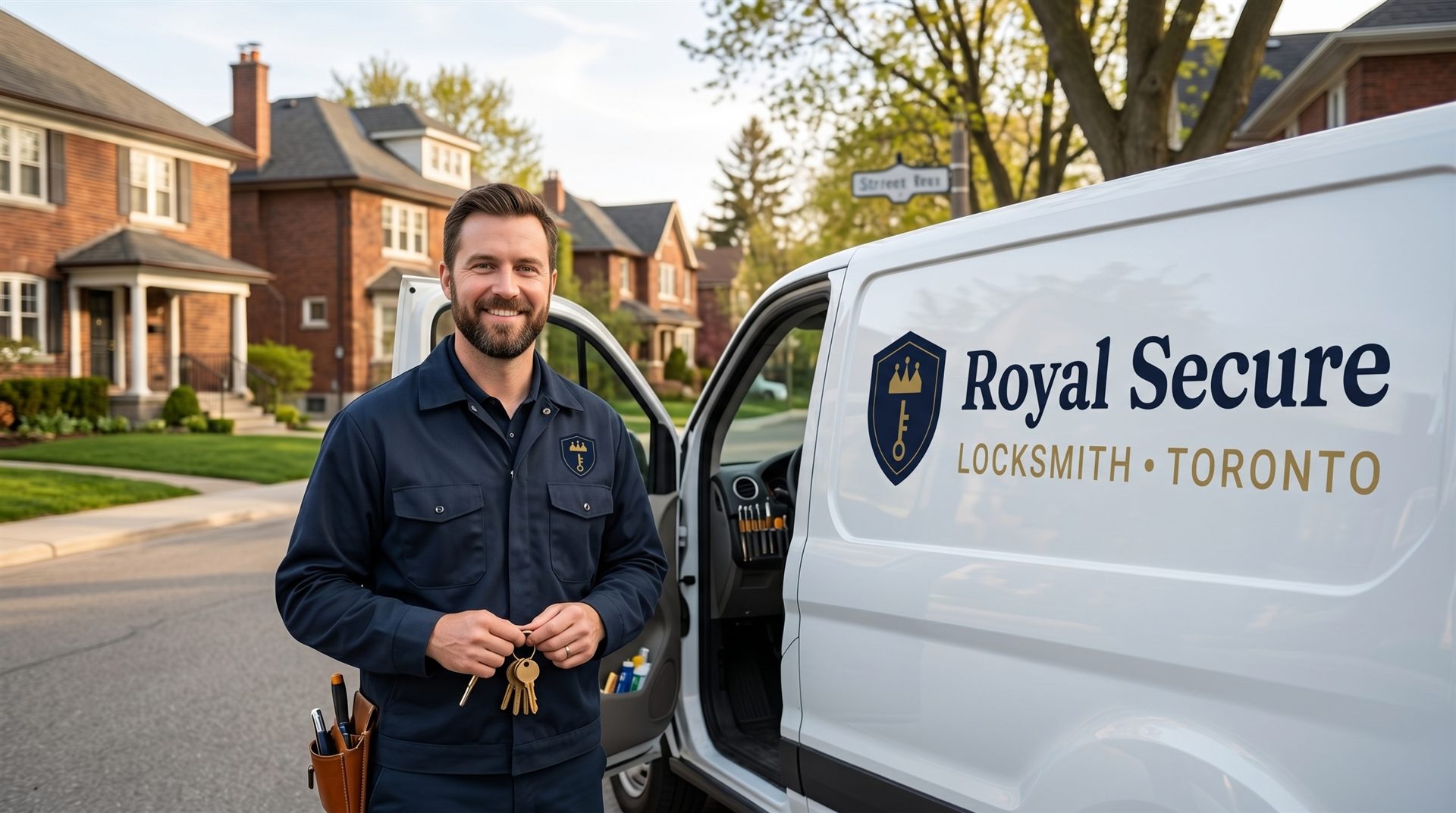
A service call is the fee that a locksmith charges just to come to your location. That fee usually covers the first 15 to 30 minutes of work. If the lockout is simple, the total cost may be just the service call plus a small extra charge for the work. If the lock is damaged and needs replacement, the cost goes up. Ask for an estimate before the work starts. A reputable locksmith will give you a price range over the phone.
When you need a replacement key or a new lock
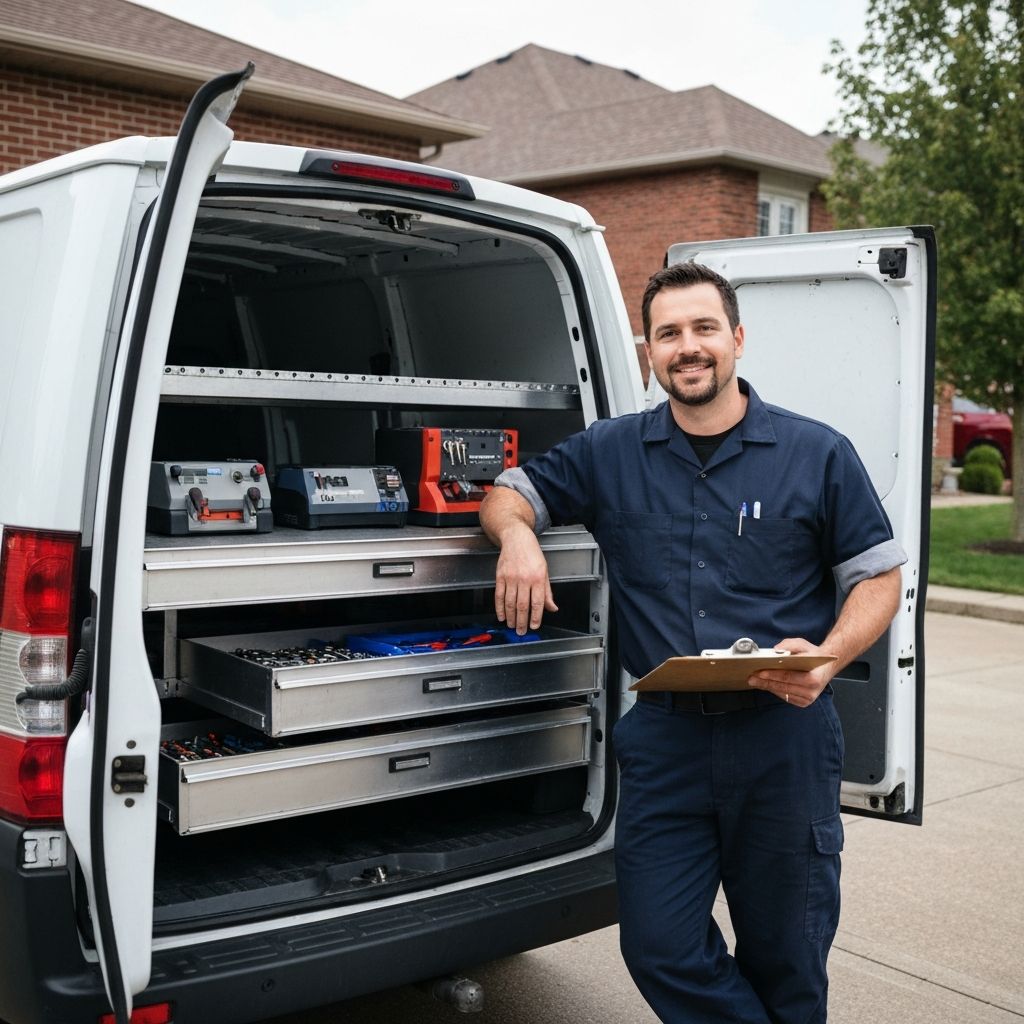
If the original key is lost or broken, you will need a replacement key cut. A locksmith can cut a new key from the lock's code or from the original if you have it. Sometimes the lock cylinder is too worn to take a new key, and a replacement cylinder is the better option. If the door frame is damaged, the locksmith may also need to adjust the strike plate or reinforce the frame. These are repairs that a qualified professional should handle.
Calling an emergency locksmith is the right move when you have checked all the simple solutions and nothing has worked. A professional can get you back inside quickly and with minimal damage. They carry the tools and the experience to handle tricky situations like a broken key, a seized deadbolt, or a misaligned door frame.
What not to do during a lockout
Do not try to break a window. Window glass is expensive to replace, and the shards can cause serious cuts. Do not use a crowbar or a screwdriver to force a door open; you can damage the door, the frame, and the lock. Do not climb onto a roof or a balcony to reach an upper window; a fall from that height can be fatal. Do not pour oil or WD-40 into the lock if you cannot turn the key; that can gum up the mechanism and make it worse. If the lock is frozen in winter, warm the key with your breath or with a hair dryer, but do not use a lighter or any open flame near the door.
Prepare for the next time
Once you are back inside, think about how to prevent a future lockout. If you do not have a spare key with a neighbour or a family member, get one. Consider installing a keyless entry system that works with a code or a fingerprint; that way you never need a physical key to get in. Check your locks for wear. A lock that is hard to turn or that sticks is more likely to fail. A locksmith can rekey or replace it before it leaves you stranded.
A lockout is frustrating, but it does not have to turn into a repair project. The best first step is to stay calm and check the easy things. If those do not work, a reliable emergency locksmith can solve the problem without damaging your home. Keeping your locks in good shape and having a backup plan will make the next lockout easier - or even prevent it altogether.
❧